
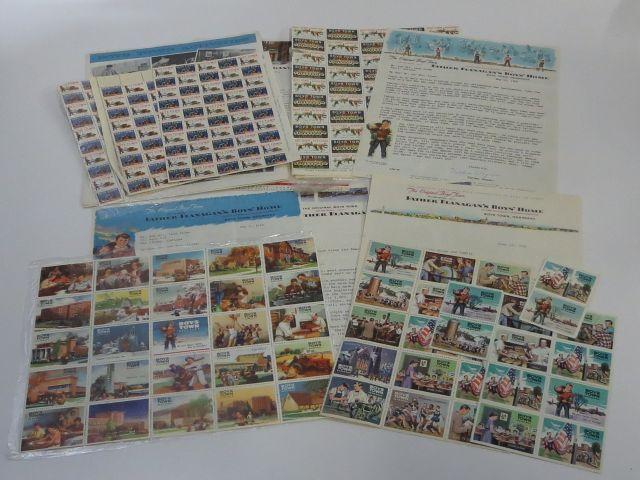
Cinderella stamps occupy a curious and often enchanting corner of philately. They look like postage stamps, feel like postage stamps, and are collected with the same passion as postage stamps—yet they were never valid for postal use. Their story is a blend of artistry, propaganda, commerce, fantasy, and local history, making them one of the most diverse and imaginative branches of stamp collecting.
🎭 What Exactly Are Cinderella Stamps?
In philatelic terms, Cinderella refers to any stamp-like label that is not an official postage stamp. The name evokes the fairy-tale heroine: something overlooked, unofficial, and outside the royal (postal) family, yet full of charm.
Cinderellas include:
Charity seals (e.g., Christmas Seals)
Local post stamps
Poster stamps
Exhibition labels
Propaganda and political labels
Fantasy issues
Private courier stamps
Revenue stamps (sometimes included, sometimes treated separately)
Their diversity is unmatched, and their history stretches back nearly as far as official postage itself.
🕰️ Origins: The 19th Century Birth of Cinderella Philately
1. Poster Stamps and Advertising Labels (mid–late 1800s)
The earliest Cinderella-like labels emerged as advertising poster stamps. Businesses discovered that miniature, gummed, perforated labels were a clever way to promote products. These labels often featured:
Colorful lithography
Art Nouveau and Art Deco designs
Company logos, events, and exhibitions
Germany became the epicenter of poster stamp production, with thousands of designs printed for fairs, breweries, shipping lines, and cultural events.
2. Local Posts and Private Carriers
Before national postal systems became fully organized, many towns and private companies issued their own stamps. Some famous examples include:
Local posts in the United States and Europe
Railway mail labels
Private city posts (e.g., the London District Post)
These stamps often filled gaps in official service, especially in remote or rapidly growing urban areas.
🎄 Charity Seals: A Global Philatelic Phenomenon
One of the most influential Cinderella categories began in 1904, when Danish postal clerk Einar Holbøll created the first Christmas Seal to raise funds for tuberculosis treatment. The idea spread rapidly:
By 1907, the United States issued its first Christmas Seal.
Many countries adopted similar charity labels for health, welfare, and humanitarian causes.
These seals became a beloved annual tradition, collected for their beauty and social impact.
🏛️ Exhibitions, Fairs, and Propaganda Labels
Exhibition Labels
World’s fairs and national exhibitions produced thousands of Cinderella stamps, often featuring:
National pavilions
Technological achievements
Cultural symbols
They served as souvenirs and promotional material, capturing the optimism of the industrial age.
Propaganda and Political Labels
During both World Wars and the Cold War, governments and private groups issued labels to:
Promote national unity
Encourage war bonds
Spread political messages
These Cinderellas offer a vivid window into the social and ideological climate of their time.
🏝️ Fantasy Issues and Micronations
The 20th century also saw the rise of fantasy stamps—labels from places that never had official postal authority. Some were whimsical; others were created by micronations or artists.
Examples include:
Sealand
Bir Tawil
Nagaland
Local “bogus” issues created for collectors
While not postal, they often feature imaginative artwork and have become a niche collecting field.
📚 Cinderella Stamps in Modern Philately
Today, Cinderella collecting is thriving because:
It offers affordable access to rare and beautiful designs.
It covers themes often ignored by official postal agencies.
It appeals to collectors who enjoy storytelling, design, and historical context.
Specialized societies—such as the Cinderella Stamp Club (UK)—continue to research and promote this fascinating area.
🌟 Why Cinderella Stamps Matter
Cinderella stamps remind us that philately is not just about postal history—it’s about culture, creativity, and human expression. They capture:
Local identities
Social movements
Commercial art
Political messages
Fantastical worlds
In many ways, they are the most imaginative and democratic form of stamp art.